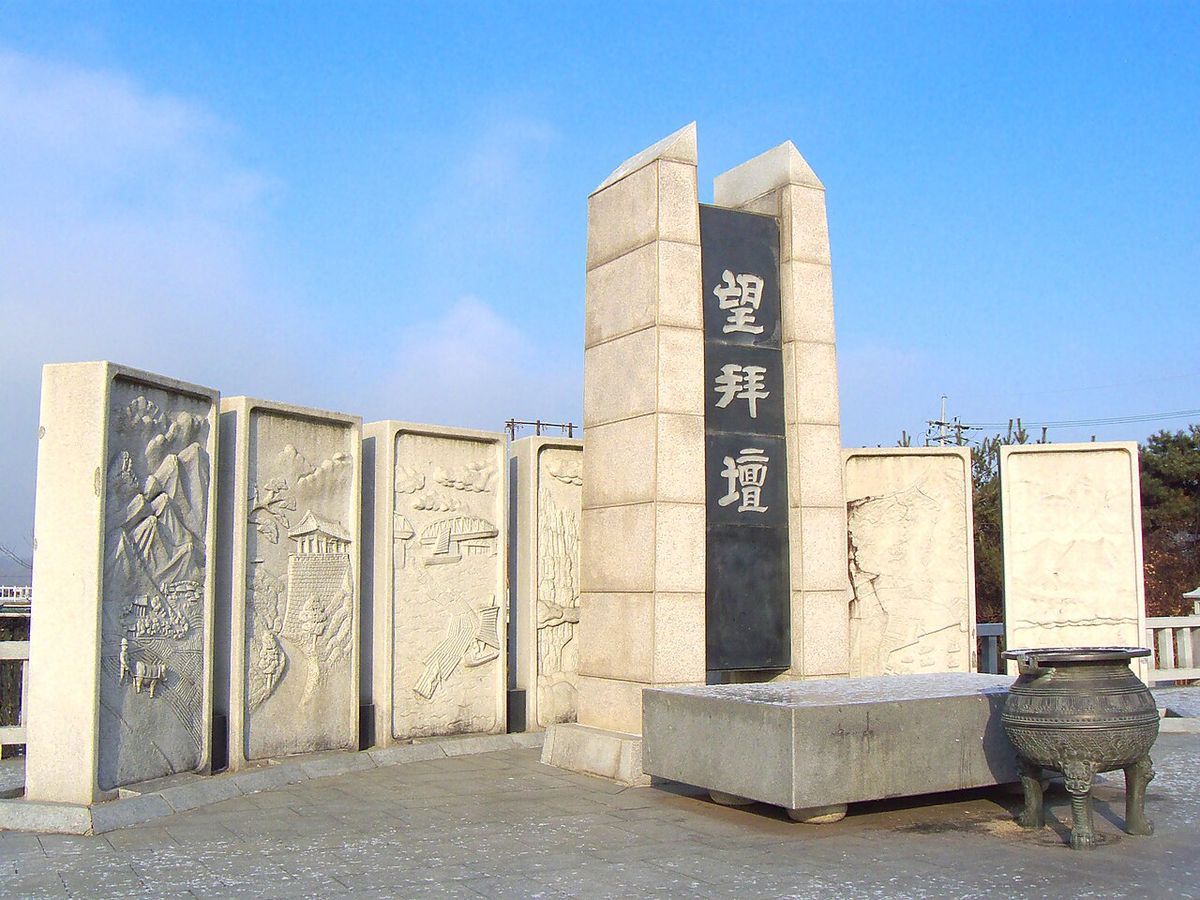
A DMZ tour from Seoul is a guided day trip to the border area in Paju. Booking online a few days ahead is the easiest way to go. Civilians cannot enter the DMZ independently, so an authorized guided tour is required. You must carry your original passport on the day.
One big caveat: the Joint Security Area (JSA) at Panmunjom, with the famous blue huts, is not open to regular visitors right now. The standard tour of the Third Tunnel and Dora Observatory is open.
Which DMZ tour should you pick?
Most tours cover the same core sites. Half-day and full-day tours share the same border sites, and the full-day version adds the Gamaksan Suspension Bridge, reached by a short fifteen-minute hike. You pay the tour operator, and the price normally covers more than the bus. Prices include round-trip transport from Seoul and admission to the Third Tunnel and Dora Observatory.
| Option | Typical price (paid by each visitor) | What you get | Back in Seoul |
|---|---|---|---|
| Half-day group tour | ₩50,000–60,000 | Imjingak, Third Tunnel, Dora Observatory, Unification Village | Around 13:30 |
| Full-day group tour | ₩70,000–80,000 | The same sites plus the Gamaksan Suspension Bridge | 16:00–16:30 |
| Self-arranged Paju DMZ Peace Tour | ₩9,200 on foot or ₩12,200 with the elevator, plus your own transport | Third Tunnel, Dora Observatory and Tongilchon, about 3 hours from Imjingak | Your own schedule |
The self-arranged option covers the same core stops. The Paju fee covers the Imjingak shuttle bus and the tour course, not just the tunnel. A Seoul operator adds hotel or city pickup and a guide.
How to book a DMZ tour step by step
- Choose a day from Tuesday to Sunday. On Mondays and holidays the 3rd Tunnel is closed, and some operators substitute the 2nd Tunnel or Aegibong. The Paju tour is also closed on weekday public holidays and on Seollal and Chuseok.
- Pick half-day or full-day, then read the itinerary. Make sure it names the Third Tunnel and Dora Observatory if those are your priorities.
- Book on an operator or booking platform. Some listings offer free cancellation up to 24 hours before departure.
- Give your passport details at booking. Operators submit them to the military manifest a few days ahead.
- Save the meeting point from your voucher. Typical meeting points are in Myeongdong or at City Hall.
Seats are limited and sell out in peak season.
Local tip: Match the exact meeting spot on your voucher. Some listings name a specific numbered exit of Myeongdong Station, such as Exit 9 or Exit 10, and the exits differ by tour. If you are staying elsewhere, our Seoul subway guide explains how to get to Myeongdong.
Passport rules for the DMZ
You need physical ID. Foreign nationals must bring an original passport, foreigner registration card, or U.S. military ID. Photos or screenshots of identification are not accepted, and neither is a passport whose period of stay has expired.
The check happens at the military checkpoint on the road in. Soldiers board the bus and match faces to passports. No passport means no entry, and no refund for turning up without one.
Local tip: Put your passport in your day bag the night before. A phone photo or photocopy will get you turned away at the checkpoint. If you ever lose it, our lost passport guide explains what to do.
What happens on the day
Tours usually start at Imjingak Park, which sits at the edge of the restricted zone. Everything beyond it is in the heavily guarded Civilian Control Zone. Your bus then crosses the checkpoint for the main stops.
- Third Tunnel: It was discovered in 1978. The descent requires a hard hat and comfortable shoes. The tunnel is narrow and steep, so entry may be restricted for wheelchair users and visitors with limited mobility.
- Dora Observatory: You look across the border from the South. You can’t cross into North Korea on a DMZ tour right now.
- Dorasan Station and Unification Village: Many itineraries include them as stops.
Expect rules. Photography is restricted in places. The DMZ is a military area and can close suddenly without notice. Some listings then provide an alternative tour.
Dress for the outdoors. When I was in Seoul in winter, the wind made it feel like -15 to -10°C. Indoor places such as malls, cafes and restaurants were hot, so several thin layers worked better than one thick coat. For a full clothing list, see our winter packing guide.
Is the JSA / Panmunjom open?
No. Visits stopped on 18 July 2023, when an American soldier on a tour crossed into North Korea. One operator site states that the JSA was closed to visitors as of 10 November 2026. Do not plan your trip around it.
Local tip: Read listings that have “JSA” in the title carefully. Several of them visit an indoor JSA Museum instead of the real Panmunjom border post. The museum is a different experience, so decide whether it is worth the extra cost.
Going without a tour: Imjingak and the Paju DMZ Peace Tour
You can reach the border area on your own, with limits. Imjingak is freely accessible, with no tour required and no passport check at the gate. Beyond it, you need the official Paju shuttle.
To get there, take the Gyeongui-Jungang Line to Munsan, then a local bus or a taxi of about 13 minutes. On-site ticket sales run 09:00–14:30. The Paju tour is closed on Mondays.
Local tip: Arrive early and bring everyone in your group. Only 14 of the 44 seats on each shuttle are sold online, and no ticket is issued until every person in your party is standing at Imjingak. If you arrive late in the afternoon, you will miss the 14:30 cutoff.
The Imjingak Peace Gondola is a separate add-on. VisitKorea lists the one-way ride as taking about eight minutes. Bring your passport if you plan to use it.
FAQ
How long does the trip take?
Most listings run from about 5 to 9 hours, depending on the version. Half-day tours return to Seoul around 13:30. Traffic can stretch the bus ride, so avoid tight plans right after.
Can I use an alien registration card instead of a passport?
Residents can. Foreign nationals may show an original passport, a foreigner registration card, or a U.S. military ID. Tourists should plan on the passport.
Is there a foreigner discount?
Not on the Paju tour. The Korea Firsthand guide states there are no foreigner discounts under Paju’s fee rules. Seoul operators set their own prices.
Is a DMZ tour suitable for children or mobility needs?
The tunnel is the hard part. Because of its steep slope, ask the operator whether a no-tunnel itinerary is available.
Sources
Tour times and prices vary by operator, so check your operator’s page and the official Paju DMZ site before you go.
