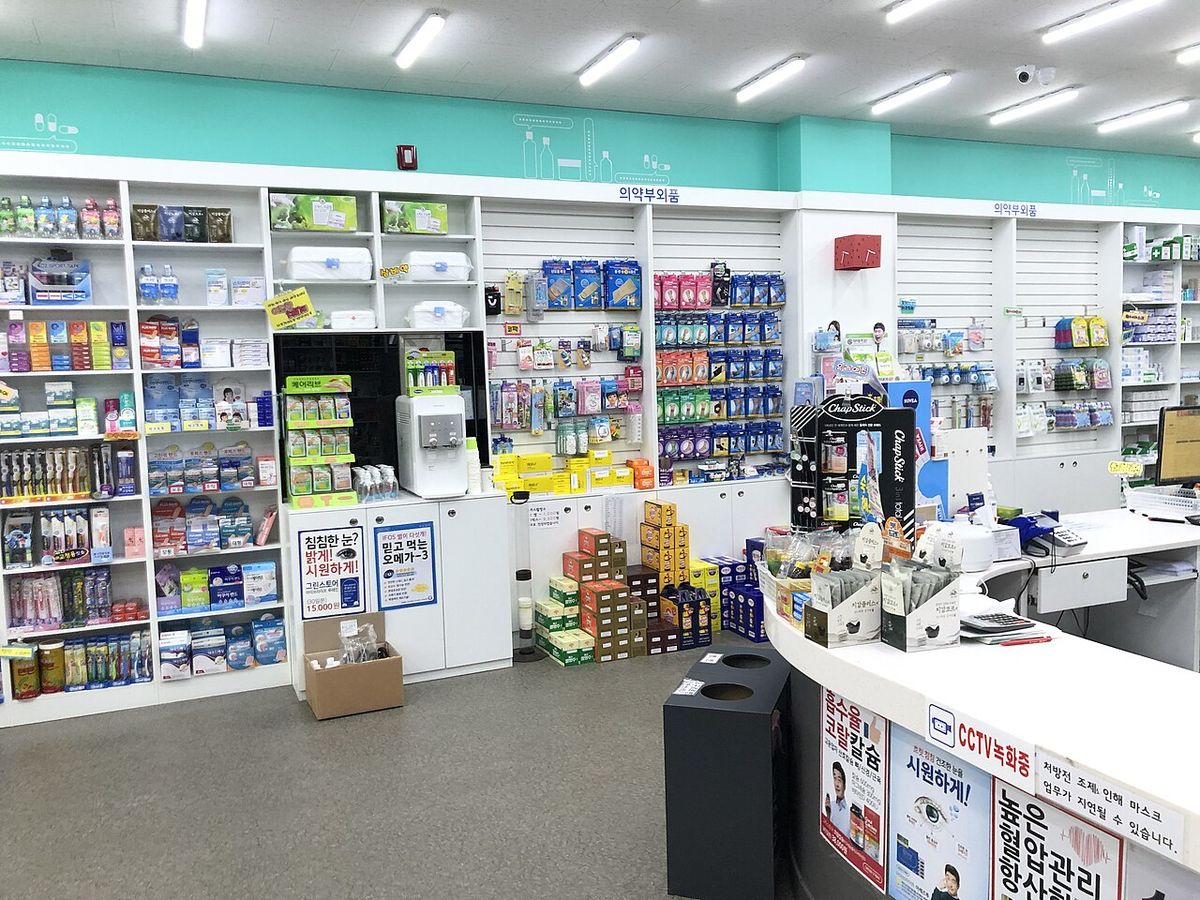
About the author: I spent many years supplying equipment and disposables to dental and medical clinics across Korea, so I’ve seen how they work from the inside.
Korean pharmacies (약국, yakguk) sell several kinds of over-the-counter painkillers. The main types are single-ingredient acetaminophen (Tylenol), combination pain relievers, and ibuprofen-family anti-inflammatory pills. After hours, 24-hour convenience stores sell a short government-approved list that includes Tylenol.
This guide explains what the types are and how to ask for them. It is general information, not medical advice. A pharmacist can answer questions about your own situation.
The main painkiller types at Korean pharmacies
Korean medicines are usually sold by active ingredient, so the brand on your home medicine may not be on the shelf. Knowing the ingredient name helps a lot.
| Type | Ingredient | Korean names you may see | Good to know |
|---|---|---|---|
| Single-ingredient fever/pain reliever | Acetaminophen (paracetamol) | 타이레놀 (Tylenol) | It lowers pain and fever but does not reduce inflammation. |
| Combination pain relievers | More than one active ingredient | 펜잘, 사리돈, 게보린 | Korean health media list these as combination products. Ask the pharmacist what is in them. |
| Anti-inflammatory pain relievers (NSAIDs) | Ibuprofen, dexibuprofen, naproxen | 이부펜, 부루펜, 애드빌 | Dexibuprofen is the active part of ibuprofen. It works at a lower dose and is described as causing fewer stomach side effects. |
Some stronger products are not sold freely. Some higher-dose ibuprofen products may need a prescription, so ask the pharmacist, who decides what to hand over.
Watch the doses and hidden ingredients
Strengths can differ from your home country. Korean Tylenol starts at 500 mg, while the US over-the-counter dose starts at 325 mg, so read dosages carefully. Follow the label and the pharmacist’s instructions.
Many cold medicines also contain a pain reliever. Cold products such as 판콜 (Pancol) and 판피린 (Panpyrin) are listed among the combination products in the acetaminophen group. Before taking a cold remedy and a painkiller together, ask the pharmacist whether they overlap.
How to buy a painkiller at a pharmacy
- Find a pharmacy. Look for the word 약국 (yakguk) on the sign, or search it on a map app.
- Prepare your message. VisitKorea suggests two things: a translation app and a photo of the medicine you need.
- Explain the problem. Tell the pharmacist what kind of medicine you want, which part of your body hurts, and any allergies. Mention other medicines you take and any health conditions.
- Ask for the ingredient, not only the brand. Say or show “acetaminophen” or “ibuprofen” if you know what you normally use.
- Ask how and when to take it. Keep the package so you can check the label later.
Don’t be surprised if you can’t browse the shelves. Pharmacists keep many medicines behind the counter and fetch them on request, including common pain relievers.
You pay the shelf price. One expat guide lists Tylenol at roughly ₩2,000–₩5,000, but prices vary by shop and pack size, so check at the counter.
For more on communicating, see VisitKorea’s pharmacy guide.
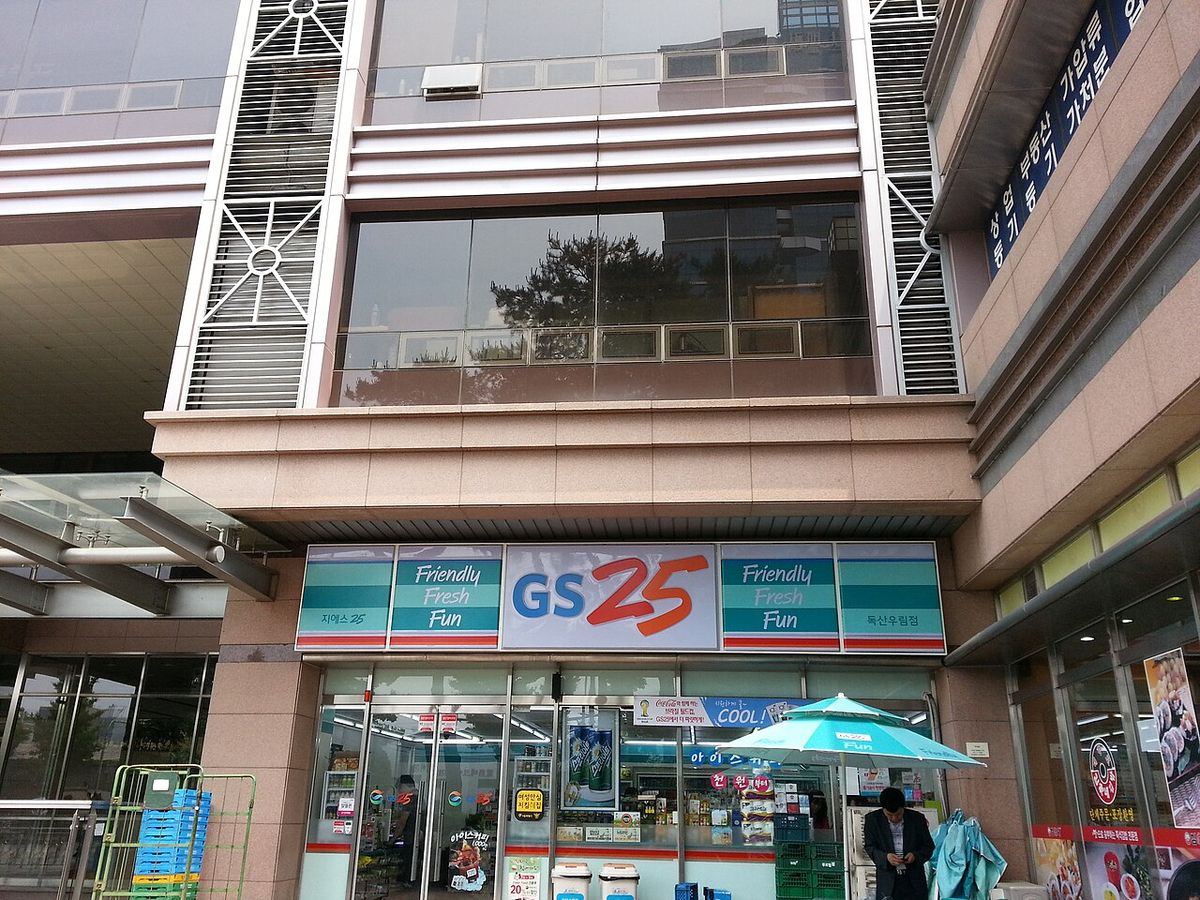

Painkillers at 24-hour convenience stores
When pharmacies are closed, convenience stores can help, but the choice is small. The government’s list of “safety” medicines has been reported as 11 to 13 items, depending on the source, covering fever/pain relievers, cold medicines, digestives and patches. Check the current list before you go.
Not all of them can be bought. Tylenol 160 mg (8 tablets) and Children’s Tylenol 80 mg (10 tablets) have been out of production since 2022. That leaves these painkillers:
- Tylenol 500 mg (타이레놀정 500mg), the only adult painkiller on the list
- Children’s Tylenol suspension (어린이타이레놀현탁액)
- Children’s Brufen syrup (어린이부루펜시럽), which contains ibuprofen
So an adult wanting an ibuprofen-type tablet will need a pharmacy. The Ministry of Health and Welfare has announced plans to expand the list to up to 20 items, with a revised designation notice targeted for December. The new items have not been decided yet, so nothing has changed on the shelves so far. Check what is actually on the shelf when you go.
Finding a painkiller from home
Some foreign products are not sold in Korea. Teachers’ guides note that a few items foreigners ask for by name are prescription-only or banned from import, including the Japanese painkiller EVE and codeine cough syrups. If your usual product is missing, show the pharmacist the ingredient list. Do not assume that a Korean product with a similar name has the same strength.
For any medicine you plan to carry in, check the customs rules before you fly. This matters most for prescription or controlled medicines.
FAQ
Do I need a prescription or ID to buy a basic painkiller?
Basic over-the-counter products do not need a prescription. Higher-dose versions may need one. Ask the pharmacist if the product you want is available without one.
Why does the pharmacist ask so many questions?
Many items sit behind the counter, so pharmacists ask questions to match the product to you. Questions about allergies and other medicines help them choose safely. Answer as fully as you can, using the translation app if needed.
Can I use the 1330 helpline for pharmacy questions?
1330 is the Korea Travel Helpline and supports travel information and interpretation. You can reach it at +82-2-1330 from abroad, and it works in languages including English. It is not an emergency line, so call 119 for emergencies.
Sources
- VisitKorea: Health Consultation Centers for Everyone: Pharmacy Guide in Korea
- Money Today: Convenience store safety medicines to expand to up to 20 items (Korean)
- Woman Sense: Tylenol vs ibuprofen, how painkillers differ (Korean)
- South of Seoul: A Beginner’s Guide to OTC Medicine in South Korea
- Go Farther: Emergency & Healthcare in Korea, A Family Traveler’s Medical Guide
- Bloter: 복지부, 14년 묵은 편의점 상비약 규제 푼다…품목·판매처 동시 확대
- 식품의약품안전처 의약품통합정보시스템: 타이레놀8시간이알서방정
Featured photo: Choi Kwang-mo, CC0, via Wikimedia Commons
